



Recent Blogs
- How to Buy a Used Engine (Complete Guide)
- How Long Do Used Engines Last? Factors That Affect Engine Lifespan
- Low Mileage Used Engines: What to Look For Before You Buy
- Benefits of Buying Used Engine Parts Instead of New
- Used Engine Warranty Claims: Why They Get Denied & How to Avoid It
- Best Used Transmissions for Trucks and SUVs
- How to Choose a Quality Used Engine: A Buyer’s Checklist
- Top 7 Most Reliable Engines Worth Buying Used in 2026
- What Mileage Really Means When Buying a Used Engine in 2025
- Buying a Used Engine in 2025: A Complete Buyer’s Guide to Avoid Costly Mistakes
Used Engines for Sale
- ACURA Engine
- AUDI Engine
- BMW Engine
- BUICK Engine
- CADILLAC Engine
- CHEVROLET Engine
- CHRYSLER Engine
- DODGE Engine
- FIAT Engine
- FORD Engine
- GMC Engine
- HONDA Engine
- HUMMER Engine
- HYUNDAI Engine
- INFINITI Engine
- ISUZU Engine
- JAGUAR Engine
- JEEP Engine
- KIA Engine
- LANDROVER Engine
- LEXUS Engine
- LINCOLN Engine
- MAZDA Engine
- MERCEDES Engine
- MERCURY Engine
- MINI Engine
- MITSUBISHI Engine
- NISSAN Engine
- OLDSMOBILE Engine
- PONTIAC Engine
- PORSCHE Engine
- SAAB Engine
- SATURN Engine
- SCION Engine
- SUBARU Engine
- SUZUKI Engine
- TESLA Engine
- TOYOTA Engine
- VOLKSWAGEN Engine
- VOLVO Engine
Used Engines for Sale
View More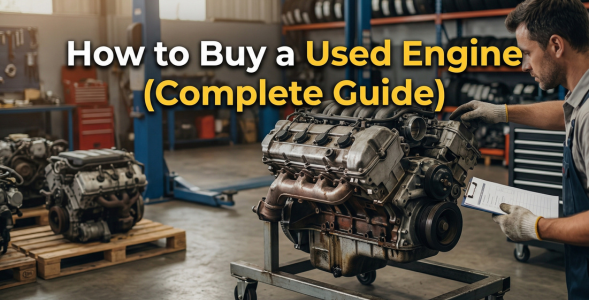
How to Buy a Used Engine (Complete Guide)
Buying a replacement engine can be a smart and cost-effective decision, especially if your current engine has failed or is beyond repair. However, choosing the right one requires careful research and inspection. In this complete guide, we’ll walk you through everything you need to know before purchasing a Used Engine, including how it compares to remanufactured engines and what factors to consider for the best value.
Why Consider a Used Engine?
A Used Engine is often the best option for car owners who want to save money while extending the life of their vehicle.
Key benefits:
- More affordable than a brand-new engine
- Easily available for most car models
- Faster replacement compared to rebuilding
It’s especially useful for older vehicles where a new engine may not be cost-effective.
Used vs Remanufactured Engines
Before making a purchase, it’s important to understand the difference between a Used Engine and remanufactured engines.
Used Engine
- Taken from another vehicle
- Minimal or no rebuilding
- Lower cost
- May have unknown wear and tear
Remanufactured Engines
- Completely disassembled and rebuilt
- Faulty parts replaced with new ones
- Tested for performance
- More expensive but highly reliable
If your budget allows, remanufactured engines offer better longevity, while a Used Engine is ideal for cost savings.
Check Compatibility
Compatibility is one of the most important factors when buying an engine.
- Match engine size and type
- Verify part numbers
- Use your vehicle’s VIN for accurate matching
- Consult a mechanic if unsure
Installing the wrong engine can lead to serious performance issues.
Inspect Engine Condition
Always inspect the engine before purchasing.
Look for:
- Visible damage or leaks
- Rust or corrosion
- Broken or missing components
- Oil condition (dirty oil may indicate poor maintenance)
If buying online, request detailed photos and inspection reports.
Check Mileage
Mileage is a key indicator of engine lifespan.
- Lower mileage engines generally last longer
- Avoid engines with extremely high mileage
- Ask for proof of mileage if possible
A well-maintained engine with moderate mileage can still be a great choice.
Ask for History and Documentation
A reliable seller should provide:
- Service history
- Vehicle details the engine came from
- Maintenance records
- Warranty information
This helps you assess the engine’s reliability.
Look for Warranty
Always choose an engine that comes with a warranty.
- Minimum 30–90 days recommended
- Longer warranties offer better protection
- Check what is covered (parts only or full replacement)
A warranty gives you peace of mind after purchase.
Compare Prices
Don’t settle for the first option you find.
- Compare prices from multiple sellers
- Check both local and online marketplaces
- Balance cost with quality and warranty
Cheap engines may cost more in the long run if they fail early.
Buy from Trusted Sellers
Choose reliable sources to avoid scams:
- Certified auto parts dealers
- Reputable online platforms
- Local salvage yards with good reviews
Avoid unknown sellers offering deals that seem too good to be true.
Installation Tips
Proper installation is crucial for engine performance.
- Hire a professional mechanic
- Replace worn-out components during installation
- Use fresh oil and fluids
- Test the engine after installation
Incorrect installation can damage even a good engine.
Common Mistakes to Avoid
- Buying without checking compatibility
- Ignoring warranty details
- Choosing price over quality
- Not inspecting the engine properly
Avoiding these mistakes can save you from costly repairs.
Final Thoughts
Buying a Used Engine can be a smart investment if done correctly. By checking compatibility, inspecting condition, and purchasing from trusted sellers, you can extend your vehicle’s life without spending a fortune. While remanufactured engines offer higher reliability, a well-chosen used engines can deliver excellent performance at a lower cost.
Take your time, do proper research, and make an informed decision to get the best value for your money.