



Recent Blogs
- How Engine Piston Ring Seal Inspection Helps Buyers Evaluate Oil Control and Compression in Used Engines in 2026
- How Engine Valve Train Inspection Helps Buyers Evaluate Replacement Engine Condition Before Installation in 2026
- How Engine Serial Number Verification Helps Buyers Confirm Replacement Engine Identity and Compatibility in 2026
- How Engine Cylinder Bore Inspection Helps Buyers Evaluate Used Engines Before Installation in 2026
- How Engine Mount Compatibility Affects Vibration Control and Replacement Engine Performance in 2026
- How Engine Block Inspection Technology Helps Buyers Identify Reliable Replacement Engines Before Purchase in 2026
- How Replacement Engine Bearing Inspection Helps Prevent Premature Wear and Improve Used Engine Reliability in 2026
- How Engine Mount Condition Influences Replacement Engine Vibration, Alignment, and Long-Term Driving Comfort in 2026
- How Engine Timing Chain Condition Influences Replacement Engine Reliability and Long-Term Performance in 2026
- Why OEM Turbocharger Compatibility Matters When Choosing a Replacement Engine in 2026
Used Engines for Sale
- ACURA Engine
- AUDI Engine
- BMW Engine
- BUICK Engine
- CADILLAC Engine
- CHEVROLET Engine
- CHRYSLER Engine
- DODGE Engine
- FIAT Engine
- FORD Engine
- GMC Engine
- HONDA Engine
- HUMMER Engine
- HYUNDAI Engine
- INFINITI Engine
- ISUZU Engine
- JAGUAR Engine
- JEEP Engine
- KIA Engine
- LANDROVER Engine
- LEXUS Engine
- LINCOLN Engine
- MAZDA Engine
- MERCEDES Engine
- MERCURY Engine
- MINI Engine
- MITSUBISHI Engine
- NISSAN Engine
- OLDSMOBILE Engine
- PONTIAC Engine
- PORSCHE Engine
- SAAB Engine
- SATURN Engine
- SCION Engine
- SUBARU Engine
- SUZUKI Engine
- TESLA Engine
- TOYOTA Engine
- VOLKSWAGEN Engine
- VOLVO Engine
Used Engines for Sale
View More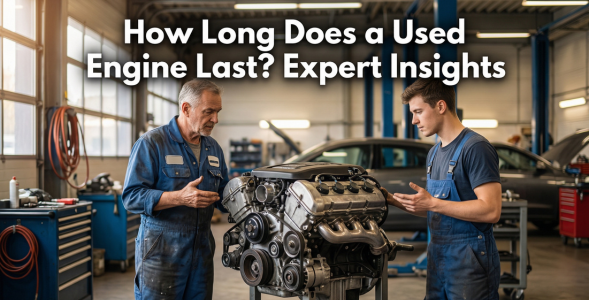
How Long Does a Used Engine Last? Expert Insights
When your car’s engine fails or starts showing serious issues, replacing it with a Used Engine can be a cost-effective solution. However, one of the most common questions car owners ask is: How long does a used engine actually last? The answer depends on several factors, including maintenance, mileage, and the overall condition of the engine. In this guide, we’ll explore expert insights to help you understand the lifespan of quality used engines and how to get the most out of your investment.
Average Lifespan of a Used Engine
On average, a Used Engines can last anywhere between 80,000 to 150,000 kilometers (or more), depending on its condition and how well it has been maintained. Some engines even exceed this range if they come from well-maintained vehicles and are properly installed.
Key Factors Affecting Lifespan:
- Previous usage and maintenance history
- Mileage at the time of purchase
- Engine type and brand
- Driving habits after installation
- Quality of installation
What Makes Quality Used Engines Last Longer?
Not all used engines are created equal. Quality used engines typically come from vehicles that were well-maintained and have lower mileage.
Characteristics of a Good Used Engine:
- Clean internal components
- No signs of overheating or major damage
- Consistent maintenance records
- Tested and inspected before sale
Choosing a high-quality engine significantly increases its lifespan.
Mileage Matters
Mileage is one of the biggest indicators of engine health.
- Low mileage (under 80,000 km): Longer lifespan expected
- Moderate mileage (80,000-150,000 km): Good balance of cost and durability
- High mileage (150,000+ km): May have shorter remaining life
Always ask for proof of mileage before purchasing a Used Engine.
Importance of Inspection Before Buying
Before buying, it’s crucial to inspect the engine or request detailed reports.
Check for:
- Oil leaks or sludge
- Rust or corrosion
- Compression levels
- Engine noise (if tested)
A properly inspected engine is more likely to perform well and last longer.
Installation Plays a Key Role
Even the best quality used engines can fail early if installed incorrectly.
Best Practices:
- Hire a professional mechanic
- Replace worn-out components (belts, hoses, seals)
- Use fresh oil and fluids
- Ensure proper alignment and fitting
Good installation ensures optimal performance and longevity.
Maintenance After Installation
Once installed, proper care is essential to extend the life of your engine.
Maintenance Tips:
- Change engine oil regularly
- Use high-quality fuel
- Avoid overheating
- Follow manufacturer service schedule
- Monitor for unusual noises or smoke
Regular maintenance can add years to your engine’s life.
Signs Your Used Engine May Not Last Long
Be aware of warning signs that indicate potential problems:
- Knocking or unusual noises
- Excessive smoke from exhaust
- Poor fuel efficiency
- Loss of power
- Frequent overheating
If you notice these issues early, you may be able to fix them before major damage occurs.
Used Engines vs Rebuilt Engines
It’s important to compare options before making a decision.
Used Engines:
- Lower cost
- Minimal refurbishment
- Depends on previous usage
Rebuilt Engines:
- Repaired and tested
- More reliable
- Higher cost
If budget is your priority, a Used Engine is a great option. For long-term reliability, rebuilt engines may be worth considering.
Is Buying a Used Engine Worth It?
In most cases, yes. A Used Engines can be a smart investment if:
- Your car is in otherwise good condition
- Replacement cost is lower than buying a new car
- You choose a reliable and tested engine
With proper care, quality used engines can deliver excellent performance for years.
Expert Tips to Maximize Engines Life
- Always buy from trusted sellers
- Choose engines with warranty
- Avoid extremely cheap deals
- Keep up with regular servicing
- Drive smoothly and avoid harsh acceleration
These simple steps can significantly extend engines lifespan.
Final Thoughts
So, how long does a Used Engine last? The answer depends on several factors, but with the right choice and proper care, it can last for many years and thousands of kilometers. Investing in quality used engines, ensuring professional installation, and maintaining them regularly can help you get the best value for your money.
If you’re looking for an affordable way to keep your car running, a used engines can be a practical and reliable solution-just make sure you choose wisely and take good care of it.