



Recent Blogs
- How Engine Cylinder Bore Inspection Helps Buyers Evaluate Used Engines Before Installation in 2026
- How Engine Mount Compatibility Affects Vibration Control and Replacement Engine Performance in 2026
- How Engine Block Inspection Technology Helps Buyers Identify Reliable Replacement Engines Before Purchase in 2026
- How Replacement Engine Bearing Inspection Helps Prevent Premature Wear and Improve Used Engine Reliability in 2026
- How Engine Mount Condition Influences Replacement Engine Vibration, Alignment, and Long-Term Driving Comfort in 2026
- How Engine Timing Chain Condition Influences Replacement Engine Reliability and Long-Term Performance in 2026
- Why OEM Turbocharger Compatibility Matters When Choosing a Replacement Engine in 2026
- How OEM Engine Block Casting Technology Improves Durability and Reliability in Modern Replacement Engines (2026 Guide)
- How Engine Oil Analysis Helps Drivers Predict Major Engine Problems Before They Become Expensive Repairs
- How Engine Compression Testing Helps Buyers Choose Reliable Replacement Engines in 2026
Used Engines for Sale
- ACURA Engine
- AUDI Engine
- BMW Engine
- BUICK Engine
- CADILLAC Engine
- CHEVROLET Engine
- CHRYSLER Engine
- DODGE Engine
- FIAT Engine
- FORD Engine
- GMC Engine
- HONDA Engine
- HUMMER Engine
- HYUNDAI Engine
- INFINITI Engine
- ISUZU Engine
- JAGUAR Engine
- JEEP Engine
- KIA Engine
- LANDROVER Engine
- LEXUS Engine
- LINCOLN Engine
- MAZDA Engine
- MERCEDES Engine
- MERCURY Engine
- MINI Engine
- MITSUBISHI Engine
- NISSAN Engine
- OLDSMOBILE Engine
- PONTIAC Engine
- PORSCHE Engine
- SAAB Engine
- SATURN Engine
- SCION Engine
- SUBARU Engine
- SUZUKI Engine
- TESLA Engine
- TOYOTA Engine
- VOLKSWAGEN Engine
- VOLVO Engine
Used Engines for Sale
View More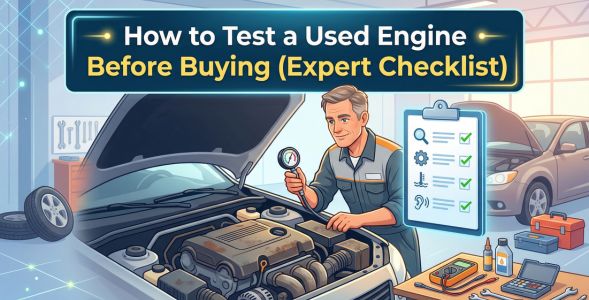
How to Test a Used Engine Before Buying (Expert Checklist)
Buying a replacement engine can save you thousands-but only if you choose the right one. A poorly inspected engine can lead to costly repairs or even total failure. That’s why testing a Used Engine before purchase is essential.
In this expert checklist, you’ll learn how to inspect, test, and verify engine quality before buying. We’ll also compare options like remanufactured engines so you can make the best decision for your vehicle.
Why Testing a Used Engine Matters
A used engine may look fine on the outside but have hidden internal issues.
Risks of Skipping Inspection:
- Low compression or worn cylinders
- Oil leaks or internal damage
- Overheating history
- Short lifespan after installation
Testing ensures you get value for your money.
Step-by-Step Checklist to Test a Used Engine
1. Check Engine History
Start with background information.
Ask the Seller:
- Mileage of the engine
- Reason for removal
- Maintenance records
- Accident or flood damage
A reliable Used Engine should have clear documentation.
2. Perform a Visual Inspection
Look closely at the engine’s condition.
Check For:
- Oil leaks
- Cracks or damage
- Rust or corrosion
- Broken components
A clean engine usually indicates proper maintenance.
3. Inspect Oil Condition
Oil can reveal a lot about engine health.
What to Look For:
- Clean oil (good sign)
- Milky oil (coolant contamination)
- Burnt smell (overheating issues)
Dirty oil may indicate poor maintenance.
4. Check Engine Compression
Compression testing is one of the most important steps.
Why It Matters:
- Shows internal engine health
- Detects worn piston rings or valves
Tip:
All cylinders should have consistent compression readings.
5. Listen for Unusual Noises
If possible, run the engine.
Watch For:
- Knocking sounds
- Ticking noises
- Grinding
These may indicate serious internal problems.
6. Check for Overheating Signs
Overheating can cause long-term damage.
Look For:
- Warped components
- Burn marks
- Coolant residue
Avoid engines with overheating history.
7. Inspect Wiring and Sensors
Modern engines rely on electronics.
Check:
- Damaged wiring
- Missing sensors
- Loose connections
Faulty electronics can cause performance issues.
8. Perform Leak-Down Test
This test identifies internal leaks.
Benefits:
- Detects air leaks in cylinders
- Confirms engine sealing
It’s a more advanced version of compression testing.
9. Verify Compatibility
Make sure the engine fits your vehicle.
Check:
- Engine code
- Model and year
- Mounting points
Compatibility is crucial before buying.
10. Compare with Remanufactured Engines
Sometimes, remanufactured engines are a better option.
Advantages:
- Fully rebuilt with new parts
- Tested for performance
- Longer lifespan
Comparison:
| Feature | Used Engine | Remanufactured Engine |
|---|---|---|
| Cost | Lower | Higher |
| Reliability | Moderate | High |
| Lifespan | Variable | Longer |
Red Flags to Avoid
- No documentation or history
- Visible cracks or leaks
- Inconsistent compression
- Excessive noise
- Signs of overheating
Avoid engines with these issues.
Pro Tips Before Buying
- Buy from trusted sellers
- Ask for warranty if available
- Inspect in person whenever possible
- Compare multiple options
- Consider remanufactured engines for long-term reliability
When to Choose a Used Engine
A Used Engine is ideal if:
- You’re on a budget
- Your car still has good overall condition
- You need a quick replacement
Final Thoughts
Testing an engine before buying is the key to avoiding costly mistakes. By following this expert checklist, you can confidently choose a high-quality Used Engine that meets your needs.
While used engines are budget-friendly, don’t overlook the benefits of remanufactured engines, especially if you’re looking for long-term performance and reliability. Take your time, inspect carefully, and make an informed decision.