


Recent Blogs
- How Engine Piston Ring Seal Inspection Helps Buyers Evaluate Oil Control and Compression in Used Engines in 2026
- How Engine Valve Train Inspection Helps Buyers Evaluate Replacement Engine Condition Before Installation in 2026
- How Engine Serial Number Verification Helps Buyers Confirm Replacement Engine Identity and Compatibility in 2026
- How Engine Cylinder Bore Inspection Helps Buyers Evaluate Used Engines Before Installation in 2026
- How Engine Mount Compatibility Affects Vibration Control and Replacement Engine Performance in 2026
- How Engine Block Inspection Technology Helps Buyers Identify Reliable Replacement Engines Before Purchase in 2026
- How Replacement Engine Bearing Inspection Helps Prevent Premature Wear and Improve Used Engine Reliability in 2026
- How Engine Mount Condition Influences Replacement Engine Vibration, Alignment, and Long-Term Driving Comfort in 2026
- How Engine Timing Chain Condition Influences Replacement Engine Reliability and Long-Term Performance in 2026
- Why OEM Turbocharger Compatibility Matters When Choosing a Replacement Engine in 2026
Used Engines for Sale
- ACURA Engine
- AUDI Engine
- BMW Engine
- BUICK Engine
- CADILLAC Engine
- CHEVROLET Engine
- CHRYSLER Engine
- DODGE Engine
- FIAT Engine
- FORD Engine
- GMC Engine
- HONDA Engine
- HUMMER Engine
- HYUNDAI Engine
- INFINITI Engine
- ISUZU Engine
- JAGUAR Engine
- JEEP Engine
- KIA Engine
- LANDROVER Engine
- LEXUS Engine
- LINCOLN Engine
- MAZDA Engine
- MERCEDES Engine
- MERCURY Engine
- MINI Engine
- MITSUBISHI Engine
- NISSAN Engine
- OLDSMOBILE Engine
- PONTIAC Engine
- PORSCHE Engine
- SAAB Engine
- SATURN Engine
- SCION Engine
- SUBARU Engine
- SUZUKI Engine
- TESLA Engine
- TOYOTA Engine
- VOLKSWAGEN Engine
- VOLVO Engine
Used Engines for Sale
View More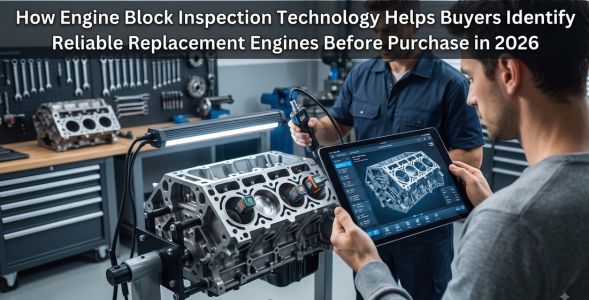
How Engine Block Inspection Technology Helps Buyers Identify Reliable Replacement Engines Before Purchase in 2026
Buying a replacement engine is a significant decision for any vehicle owner. Whether an engine has failed because of overheating, internal wear, mechanical damage, or another serious issue, choosing a reliable replacement can affect both vehicle performance and long-term ownership costs.
In 2026, engine buyers have access to better inspection methods and digital evaluation technologies than ever before. Advanced engine block inspection techniques can help suppliers, mechanics, and buyers identify visible defects and potential concerns before a replacement engine is installed.
For buyers searching for salvage engines for sale, understanding how an engine block is inspected can provide greater confidence during the purchasing process. Inspection is also an important factor when evaluating quality used engines, since the condition of the engine block provides valuable information about the overall history and structural integrity of the component.
Why the Engine Block Is So Important
The engine block is the main structural foundation of an internal combustion engine. It supports and houses critical components, including:
- Cylinders
- Pistons
- Crankshaft
- Coolant passages
- Oil passages
- Internal mounting points
Because so many major engine components depend on the block, damage to this structure can create serious reliability problems.
Common engine block concerns may include:
- Cracks
- Cylinder wear
- Corrosion
- Warping
- Damaged threads
- Coolant passage problems
A thorough inspection can help identify obvious issues before the engine is purchased or installed.
How Engine Block Inspection Has Improved
Traditional engine inspection often relied heavily on visual examination and mechanical measurement. These methods remain important, but modern inspection processes can also include more advanced technologies. Depending on the supplier and inspection facility, methods may include:
- Digital imaging
- Bore measurement tools
- Pressure testing
- Crack detection methods
- Surface measurement equipment
- Computer-assisted documentation
These tools can help technicians evaluate specific aspects of engine condition more accurately. However, the type and depth of inspection can vary significantly between sellers.
Visual Inspection Is Still the First Step
A detailed visual inspection remains an essential part of evaluating an engine block. Technicians may examine the block for signs of:
- External cracks
- Corrosion
- Previous repairs
- Oil leaks
- Coolant residue
- Physical damage
Visible evidence of severe overheating or damage may indicate that additional inspection is necessary. Visual inspection alone cannot identify every internal problem, but it provides an important starting point.
Detecting Cracks and Structural Problems
Cracks in an engine block can create serious problems. Depending on their location, cracks may lead to:
- Coolant leaks
- Oil leaks
- Compression problems
- Overheating
- Internal fluid contamination
Inspection professionals may use different testing methods to investigate suspected defects. The appropriate technique depends on the block material and the area being inspected.
A reliable seller of quality used engines should be able to provide useful information about the inspection or testing performed on the replacement engine.
Measuring Cylinder Condition
Cylinder condition is another important consideration. Over time, normal engine operation can cause cylinder walls to wear. Excessive wear may affect:
- Compression
- Oil consumption
- Engine efficiency
- Long-term performance
Technicians can use precision measuring equipment to evaluate cylinder dimensions and identify whether wear appears excessive. A proper inspection may compare measurements with applicable manufacturer specifications where available.
This is especially useful when evaluating salvage engines for sale, as the engine’s previous operating history may not always be fully known.
Checking for Signs of Overheating
Severe overheating can potentially affect engine components and surfaces. During inspection, technicians may look for signs that suggest excessive heat exposure.
Possible concerns can include:
- Discoloration
- Surface damage
- Warping
- Damaged cooling areas
Additional testing may be required to determine the actual condition of the engine. Buyers should be cautious about assuming that a clean-looking engine has never experienced overheating. Professional inspection provides more meaningful information than appearance alone.
Digital Documentation Improves Transparency
One of the most useful developments in 2026 is the growing use of digital documentation. Suppliers may record information such as:
- Engine identification details
- Inspection notes
- Test results
- Photographs
- Vehicle compatibility information
This can help buyers compare available replacement engines more effectively. Documentation may be particularly valuable when purchasing quality used engines from a supplier located far away. However, buyers should always ask what the inspection report actually covers rather than assuming that every component has been fully tested.
Why VIN and Compatibility Checks Matter
A reliable engine is not useful if it is incompatible with the vehicle. Before purchasing, buyers should confirm compatibility using appropriate vehicle and engine information. Depending on the situation, this may include:
- VIN information
- Engine code
- Model year
- Vehicle specifications
- Emissions requirements
- Electronic compatibility
Modern engines may have important differences between model years and configurations. An inspection should therefore be combined with accurate compatibility verification.
Evaluating Salvage Engines Before Purchase
When searching for salvage engines for sale, buyers should understand that condition can vary significantly. A responsible evaluation process may include asking about:
- Source vehicle information
- Mileage, when reliably documented
- Inspection procedures
- Compression or other available testing
- Visible damage
- Warranty terms
- Return policies
A lower purchase price does not automatically mean better value if the engine requires extensive repairs after installation.
The Importance of Quality Used Engines
The term quality used engines should represent more than simply a clean exterior. A dependable used engine should ideally be evaluated through a structured process appropriate to the supplier’s capabilities.
Important considerations include:
- Physical condition
- Structural integrity
- Compatibility
- Available testing
- Documentation
- Warranty coverage
No used engine can be guaranteed to have the same remaining life as a new engine, but careful inspection can help reduce uncertainty.
Pressure Testing and Leak Detection
Some inspection procedures may involve testing areas associated with cooling or fluid passages. These tests can help identify certain leaks or structural concerns that are not immediately visible. The exact procedures vary according to the engine design and the equipment available.
If a seller claims that an engine has been tested, buyers should ask which specific tests were performed and what the results mean. Clear information is more useful than vague claims about an engine being “fully tested.”
How Technology Supports Better Buying Decisions
Modern technology can help buyers and suppliers organize engine information more effectively. Digital systems may support:
- Inventory tracking
- Inspection records
- Compatibility matching
- Image documentation
- Test-result storage
These improvements can make the replacement engine buying process more transparent. Technology does not eliminate all risks, but it can help buyers ask better questions and compare options more carefully.
Questions Buyers Should Ask Before Purchase
Before purchasing a replacement engine, consider asking:
- What inspection was performed?
- Was the engine tested, and how?
- Are photographs available?
- Is the engine compatible with my vehicle?
- What warranty is provided?
- What is the return policy?
- Are there known defects or missing components?
These questions can help buyers make a more informed decision.
Final Thoughts
Engine block inspection technology is helping buyers make more informed replacement engine decisions in 2026. From precision measurements and crack detection to digital documentation and compatibility verification, modern inspection methods can provide valuable information about an engine’s condition before purchase.
For buyers searching for salvage engines for sale, careful inspection and clear documentation can help reduce uncertainty. Evaluating quality used engines should involve looking beyond appearance and considering the actual inspection process, compatibility information, available testing, and warranty terms.
While no inspection can predict every future mechanical problem, a structured evaluation process can help buyers identify potential concerns before installation. By choosing suppliers that provide transparent information and by asking the right questions, vehicle owners can improve their chances of finding a reliable replacement engine that meets their needs.
Frequently Asked Questions
Why is engine block inspection important?
The engine block is the structural foundation of the engine, and defects such as cracks or excessive cylinder wear can affect reliability and performance.
Can inspection technology detect every engine problem?
No. Inspection and testing can identify many issues, but no process can guarantee that every future mechanical problem will be discovered before installation.
What should I ask when buying salvage engines for sale?
Ask about the engine’s inspection process, testing, compatibility, available documentation, warranty, and return policy.
What makes quality used engines different?
Quality used engines should be evaluated based on condition, compatibility, available testing, documentation, and supplier transparency rather than appearance alone.
Should I verify engine compatibility before purchasing?
Yes. VIN, engine codes, model year, and other vehicle specifications should be checked to help confirm compatibility.