



Recent Blogs
- How Engine Piston Ring Seal Inspection Helps Buyers Evaluate Oil Control and Compression in Used Engines in 2026
- How Engine Valve Train Inspection Helps Buyers Evaluate Replacement Engine Condition Before Installation in 2026
- How Engine Serial Number Verification Helps Buyers Confirm Replacement Engine Identity and Compatibility in 2026
- How Engine Cylinder Bore Inspection Helps Buyers Evaluate Used Engines Before Installation in 2026
- How Engine Mount Compatibility Affects Vibration Control and Replacement Engine Performance in 2026
- How Engine Block Inspection Technology Helps Buyers Identify Reliable Replacement Engines Before Purchase in 2026
- How Replacement Engine Bearing Inspection Helps Prevent Premature Wear and Improve Used Engine Reliability in 2026
- How Engine Mount Condition Influences Replacement Engine Vibration, Alignment, and Long-Term Driving Comfort in 2026
- How Engine Timing Chain Condition Influences Replacement Engine Reliability and Long-Term Performance in 2026
- Why OEM Turbocharger Compatibility Matters When Choosing a Replacement Engine in 2026
Used Engines for Sale
- ACURA Engine
- AUDI Engine
- BMW Engine
- BUICK Engine
- CADILLAC Engine
- CHEVROLET Engine
- CHRYSLER Engine
- DODGE Engine
- FIAT Engine
- FORD Engine
- GMC Engine
- HONDA Engine
- HUMMER Engine
- HYUNDAI Engine
- INFINITI Engine
- ISUZU Engine
- JAGUAR Engine
- JEEP Engine
- KIA Engine
- LANDROVER Engine
- LEXUS Engine
- LINCOLN Engine
- MAZDA Engine
- MERCEDES Engine
- MERCURY Engine
- MINI Engine
- MITSUBISHI Engine
- NISSAN Engine
- OLDSMOBILE Engine
- PONTIAC Engine
- PORSCHE Engine
- SAAB Engine
- SATURN Engine
- SCION Engine
- SUBARU Engine
- SUZUKI Engine
- TESLA Engine
- TOYOTA Engine
- VOLKSWAGEN Engine
- VOLVO Engine
Used Engines for Sale
View More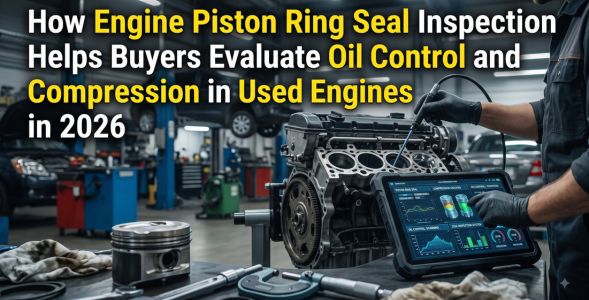
How Engine Piston Ring Seal Inspection Helps Buyers Evaluate Oil Control and Compression in Used Engines in 2026
When evaluating replacement powertrain components, buyers need to understand the internal condition of an engine before installation. Piston rings play an important role in maintaining cylinder compression, controlling engine oil, and supporting efficient combustion. Inspecting piston ring sealing can therefore provide useful information when comparing quality used engines for a replacement project. Buyers sourcing oem used auto parts can also benefit from understanding how piston ring condition relates to engine performance, compatibility, and long-term usability in 2026.
What Are Engine Piston Rings?
Piston rings are circular components installed around the piston inside an engine cylinder. They operate between the piston and cylinder wall and perform several important functions. Depending on the engine design, piston rings generally contribute to:
- Maintaining compression
- Controlling engine oil
- Transferring heat from the piston
- Limiting combustion-gas leakage
- Supporting efficient combustion
A piston assembly may use multiple rings with different functions. Their condition can have a significant effect on engine operation.
Why Piston Ring Sealing Matters
Piston rings must maintain an effective seal between the piston and cylinder wall. If the seal is compromised, combustion gases can pass into the crankcase, a condition commonly associated with blow-by. At the same time, inadequate oil control can allow excessive engine oil to enter the combustion chamber.
Potential consequences include:
- Reduced compression
- Increased oil consumption
- Smoke from the exhaust
- Reduced engine efficiency
- Poor combustion
- Increased crankcase pressure
For buyers, piston ring condition is therefore one factor worth considering when assessing a used engine.
How Ring Condition Affects Compression
Compression depends on how effectively the combustion chamber is sealed during the compression stroke. Worn, damaged, stuck, or improperly seated piston rings can allow some compressed gas to escape past the piston.
This may contribute to lower compression readings. However, low compression is not automatically caused by piston rings. Other potential causes include:
- Valve problems
- Cylinder-head issues
- Head-gasket problems
- Cylinder wear
- Incorrect valve timing
For this reason, compression testing should be interpreted alongside other inspection information.
Piston Rings and Oil Control
Oil-control rings help regulate the amount of lubricating oil remaining on the cylinder walls. If these rings become worn, stuck, or damaged, excessive oil may remain in the combustion chamber.
Possible symptoms can include:
- Increased oil consumption
- Blue exhaust smoke
- Carbon deposits
- Fouled spark plugs
- Reduced combustion efficiency
When evaluating quality used engines, buyers should consider whether the available inspection or testing documentation provides information about oil-control performance.
Common Causes of Piston Ring Wear
Piston rings can deteriorate for several reasons over the life of an engine. Common contributing factors include:
- High mileage
- Inadequate lubrication
- Dirty engine oil
- Excessive heat
- Carbon buildup
- Cylinder-wall wear
- Poor maintenance
- Extended operating conditions
The actual condition of a used engine depends heavily on its previous operating and maintenance history.
How Piston Ring Inspection Can Be Performed
A complete piston ring inspection generally requires internal engine access because the rings are located around the pistons inside the cylinders. Depending on the inspection stage, technicians may use several diagnostic approaches.
- Compression Testing: Compression testing can provide information about cylinder sealing.
- Leak-Down Testing: A cylinder leak-down test can help identify where compression is escaping. Air leakage through the crankcase can suggest potential piston-ring or cylinder-related issues, although diagnosis requires professional interpretation.
- Borescope Inspection: A borescope can sometimes provide visual information about cylinder walls and piston crowns without complete engine disassembly.
- Internal Inspection: When an engine is disassembled, technicians can directly inspect piston rings, ring grooves, cylinder walls, and related components.
Why Cylinder Condition Matters
Piston rings do not operate independently. They must work against the cylinder wall to create an effective seal. Cylinder wear, scoring, taper, or distortion can affect ring sealing even when the rings themselves appear acceptable.
This is why a comprehensive engine inspection should consider both piston-ring condition and cylinder condition. For buyers seeking oem used auto parts, understanding this relationship can help them evaluate whether a replacement engine or related component meets the intended application requirements.
Piston Ring Condition and Used Engine Selection
Buyers should avoid evaluating a used engine based on a single inspection result. A more complete assessment can include:
- Compression readings
- Leak-down results
- Oil condition
- Maintenance records
- Mileage information
- Visual inspection
- Cylinder condition
- Engine identification
- Compatibility information
These details provide a broader picture of the engine’s condition. A supplier offering quality used engines may provide inspection information that helps buyers make a more informed purchasing decision.
The Role of OEM Compatibility
The term OEM generally refers to original equipment manufacturer specifications or components associated with the vehicle’s original design. When sourcing oem used auto parts, buyers should verify that the engine or component matches the specific vehicle application.
Important information may include:
- Engine family
- Engine code
- Model year
- Vehicle configuration
- VIN
- Transmission compatibility
- Emissions configuration
Internal condition and external compatibility are separate considerations. An engine can have acceptable compression but still be unsuitable for a particular vehicle if the configuration does not match.
How Buyers Can Ask Better Inspection Questions
Before purchasing a used engine, buyers can ask suppliers about available testing and inspection information. Useful questions include:
- Was compression tested?
- Are individual cylinder readings available?
- Was a leak-down test performed?
- Is oil consumption history known?
- Were cylinder walls inspected?
- Are maintenance records available?
- What warranty coverage is provided?
- Has the engine been tested before removal?
Clear documentation can make comparison between replacement engines easier.
Final Thoughts
Piston ring seal inspection can provide valuable insight into oil control and compression when buyers evaluate used engines in 2026. Because piston rings help control combustion gases and engine oil, their condition can influence overall engine performance and reliability.
When comparing quality used engines, buyers should consider piston-ring-related diagnostic information alongside compression results, cylinder condition, maintenance history, and overall engine identification. Those purchasing oem used auto parts should also verify application compatibility separately from internal engine condition.
A comprehensive evaluation provides a stronger basis for selecting a replacement engine and reducing unexpected installation or performance problems.
FAQs
Why are piston rings important in a used engine?
Piston rings help maintain cylinder compression, control engine oil, transfer heat, and limit combustion-gas leakage.
Can worn piston rings cause low compression?
Yes, worn or damaged rings can contribute to compression loss, although valves, head gaskets, cylinder wear, and other problems can also cause low compression.
How can piston ring condition be evaluated?
Compression testing, leak-down testing, borescope inspection, and internal engine inspection can provide useful information. Professional interpretation is important.
What should I check when buying quality used engines?
Consider engine identification, compatibility, compression or leak-down information, maintenance history, mileage, inspection records, and warranty terms.
Why is OEM compatibility important when buying used auto parts?
oem used auto parts should match the vehicle’s required engine configuration and specifications. Buyers should verify engine codes, VIN compatibility, model year, and other application details.