



Recent Blogs
- Engine Swapping Guide for Beginners
- How Long Does a Used Engine Last? Expert Insights
- How to Buy a Used Engine (Complete Guide)
- How Long Do Used Engines Last? Factors That Affect Engine Lifespan
- Low Mileage Used Engines: What to Look For Before You Buy
- Benefits of Buying Used Engine Parts Instead of New
- Used Engine Warranty Claims: Why They Get Denied & How to Avoid It
- Best Used Transmissions for Trucks and SUVs
- How to Choose a Quality Used Engine: A Buyer’s Checklist
- Top 7 Most Reliable Engines Worth Buying Used in 2026
Used Engines for Sale
- ACURA Engine
- AUDI Engine
- BMW Engine
- BUICK Engine
- CADILLAC Engine
- CHEVROLET Engine
- CHRYSLER Engine
- DODGE Engine
- FIAT Engine
- FORD Engine
- GMC Engine
- HONDA Engine
- HUMMER Engine
- HYUNDAI Engine
- INFINITI Engine
- ISUZU Engine
- JAGUAR Engine
- JEEP Engine
- KIA Engine
- LANDROVER Engine
- LEXUS Engine
- LINCOLN Engine
- MAZDA Engine
- MERCEDES Engine
- MERCURY Engine
- MINI Engine
- MITSUBISHI Engine
- NISSAN Engine
- OLDSMOBILE Engine
- PONTIAC Engine
- PORSCHE Engine
- SAAB Engine
- SATURN Engine
- SCION Engine
- SUBARU Engine
- SUZUKI Engine
- TESLA Engine
- TOYOTA Engine
- VOLKSWAGEN Engine
- VOLVO Engine
Used Engines for Sale
View More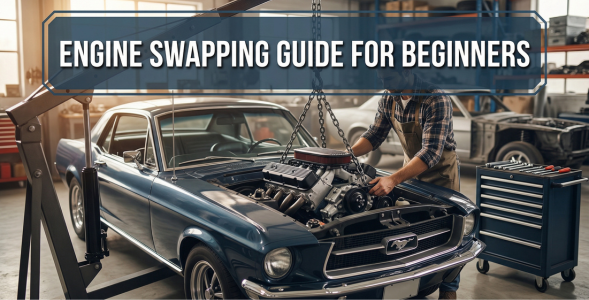
Engine Swapping Guide for Beginners
Engine swapping might sound like a complex task reserved for professionals, but with the right knowledge and preparation, beginners can understand the process and even take part in it. Whether you’re upgrading performance or replacing a damaged engine, this guide will walk you through the basics of engine swapping and how to make smart choices using oem used auto parts and affordable used engines.
What is an Engine Swap?
An engine swap is the process of removing your car’s existing engine and replacing it with another. This could be:
- A similar engine (direct replacement)
- A more powerful engine (performance upgrade)
- A different type of engine (conversion)
Why Do People Swap Engines?
There are several reasons for engine swapping:
- Engine failure or severe damage
- Better performance and power
- Improved fuel efficiency
- Cost savings compared to buying a new car
Many car owners choose affordable used engines to save money while restoring their vehicle.
Things to Consider Before Engine Swap
Before starting, keep these factors in mind:
Compatibility
- Ensure the new engine fits your vehicle
- Match engine mounts, wiring, and transmission
Budget
- Consider engine cost, labor, and additional parts
- Using oem used auto parts can reduce expenses
Skill Level
- Beginners should consult or work with a professional mechanic
Tools and Equipment Needed
- Engine hoist or crane
- Basic hand tools (wrenches, sockets)
- Jack stands
- Safety gear (gloves, goggles)
Proper tools make the process safer and easier.
Step-by-Step Engine Swapping Process
1: Disconnect Battery
- Remove battery connections
- Prevent electrical hazards
2: Drain Fluids
- Drain engine oil
- Remove coolant and other fluids
3: Remove Old Engine
- Disconnect wiring and hoses
- Detach exhaust system
- Remove engine mounts
- Use hoist to lift out the engine
4: Prepare the New Engine
- Inspect the replacement engine
- Replace worn components
- Ensure compatibility
Choosing affordable used engines that are tested and reliable is important.
5: Install the New Engine
- Lower engine into position
- Align mounts and secure bolts
- Reconnect wiring and hoses
6: Refill Fluids and Connect Battery
- Add engine oil and coolant
- Reconnect battery
7: Test the Engine
- Start the engine
- Check for leaks or unusual noises
- Ensure smooth operation
Choosing the Right Engine
Selecting the right engine is crucial.
Tips:
- Verify engine compatibility
- Check mileage and condition
- Buy from trusted sellers
- Prefer engines with warranty
Using oem used auto parts ensures better fit and reliability.
Cost of Engine Swapping
Costs vary depending on:
- Engine type
- Labor charges
- Additional parts
Budget Options:
- Affordable used engines are cheaper than new ones
- Using oem used auto parts reduces overall cost
Common Mistakes to Avoid
- Ignoring compatibility
- Skipping inspection
- Using low-quality parts
- Not replacing worn components
- Attempting complex swaps without help
Tips for Beginners
- Start with a simple engine replacement
- Take photos during disassembly
- Label wires and components
- Work in a clean, organized space
- Seek professional help when needed
Engine Swap vs Engine Repair
| Option | Pros | Cons |
|---|---|---|
| Engine Repair | Lower cost (minor issues) | Not effective for major damage |
| Engine Swap | Restores performance | Higher upfront cost |
If your engine is severely damaged, swapping is often the better option.
Final Thoughts
Engine swapping may seem challenging at first, but with the right guidance and preparation, it becomes manageable-even for beginners. By choosing reliable affordable used engines and using oem used auto parts, you can complete the process efficiently and cost-effectively.
Whether you’re restoring an old vehicle or upgrading performance, a successful engine swap can bring your car back to life and improve its overall performance. Take your time, plan carefully, and don’t hesitate to seek expert help when needed.