



Recent Blogs
- How Engine Piston Ring Seal Inspection Helps Buyers Evaluate Oil Control and Compression in Used Engines in 2026
- How Engine Valve Train Inspection Helps Buyers Evaluate Replacement Engine Condition Before Installation in 2026
- How Engine Serial Number Verification Helps Buyers Confirm Replacement Engine Identity and Compatibility in 2026
- How Engine Cylinder Bore Inspection Helps Buyers Evaluate Used Engines Before Installation in 2026
- How Engine Mount Compatibility Affects Vibration Control and Replacement Engine Performance in 2026
- How Engine Block Inspection Technology Helps Buyers Identify Reliable Replacement Engines Before Purchase in 2026
- How Replacement Engine Bearing Inspection Helps Prevent Premature Wear and Improve Used Engine Reliability in 2026
- How Engine Mount Condition Influences Replacement Engine Vibration, Alignment, and Long-Term Driving Comfort in 2026
- How Engine Timing Chain Condition Influences Replacement Engine Reliability and Long-Term Performance in 2026
- Why OEM Turbocharger Compatibility Matters When Choosing a Replacement Engine in 2026
Used Engines for Sale
- ACURA Engine
- AUDI Engine
- BMW Engine
- BUICK Engine
- CADILLAC Engine
- CHEVROLET Engine
- CHRYSLER Engine
- DODGE Engine
- FIAT Engine
- FORD Engine
- GMC Engine
- HONDA Engine
- HUMMER Engine
- HYUNDAI Engine
- INFINITI Engine
- ISUZU Engine
- JAGUAR Engine
- JEEP Engine
- KIA Engine
- LANDROVER Engine
- LEXUS Engine
- LINCOLN Engine
- MAZDA Engine
- MERCEDES Engine
- MERCURY Engine
- MINI Engine
- MITSUBISHI Engine
- NISSAN Engine
- OLDSMOBILE Engine
- PONTIAC Engine
- PORSCHE Engine
- SAAB Engine
- SATURN Engine
- SCION Engine
- SUBARU Engine
- SUZUKI Engine
- TESLA Engine
- TOYOTA Engine
- VOLKSWAGEN Engine
- VOLVO Engine
Used Engines for Sale
View More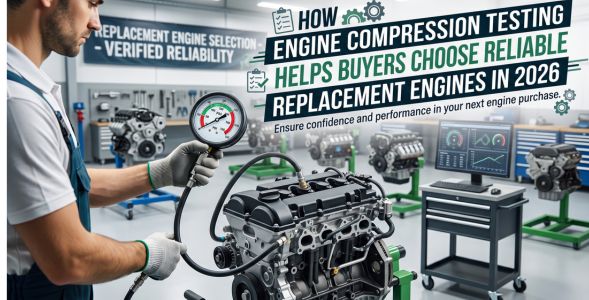
How Engine Compression Testing Helps Buyers Choose Reliable Replacement Engines in 2026
Engine compression testing is one of the most effective ways to evaluate the internal condition of a replacement engine before purchase. By measuring the pressure produced in each cylinder, the test helps identify worn piston rings, damaged valves, blown head gaskets, and other hidden issues that may affect performance. When combined with purchasing OEM used auto parts and professionally inspected quality used engines, compression testing gives buyers greater confidence in the reliability and longevity of their investment.
Table of Contents
- What is an engine compression test?
- Why compression matters
- How the test is performed
- What compression results reveal
- Why buyers should request compression reports
- Choosing reliable replacement engines
- FAQs
What Is an Engine Compression Test?
An engine compression test measures the amount of pressure each cylinder generates during the compression stroke.
This simple diagnostic procedure provides valuable insight into the engine’s internal health without requiring complete disassembly.
Technicians use a compression gauge to record cylinder pressure while the engine is cranked.
The results help determine whether critical internal components are functioning correctly.
Why Compression Is So Important
Proper compression is essential for efficient combustion.
Every cylinder must generate sufficient pressure to ignite the air-fuel mixture effectively.
Good compression supports:
- Strong engine performance
- Smooth acceleration
- Reliable starting
- Better fuel economy
- Lower emissions
- Consistent power delivery
If compression is too low, engine performance suffers regardless of how well external components operate.
How Compression Testing Works
The testing process is straightforward but highly informative.
Typically, a technician will:
- Warm the engine to operating temperature (when possible).
- Remove all spark plugs.
- Disable the ignition and fuel systems.
- Install a compression gauge into each cylinder.
- Crank the engine several times.
- Record the pressure reading for every cylinder.
Each cylinder should produce readings that fall within the manufacturer’s recommended range while remaining relatively consistent across all cylinders.
What Compression Results Can Reveal
Compression testing can uncover internal problems that may not be immediately visible.
Common issues include:
- Worn piston rings
- Burned valves
- Leaking valves
- Blown head gasket
- Cylinder wall wear
- Cracked cylinder head
Detecting these problems before purchasing a replacement engine helps buyers avoid unexpected repair expenses.
Why Uniform Cylinder Readings Matter
High compression alone does not guarantee a healthy engine. Consistency between cylinders is equally important.
If one cylinder produces significantly lower pressure than the others, it may indicate localized internal damage.
Uniform compression demonstrates that the engine is operating evenly and efficiently.
Compression Testing Builds Buyer Confidence
Purchasing a replacement engine often represents a significant investment.
Requesting compression test results provides additional reassurance by verifying the engine’s mechanical condition before installation.
Compression reports help buyers:
- Compare available engines
- Identify potential problems
- Reduce purchasing risk
- Make informed decisions
- Increase confidence in long-term reliability
Professional sellers frequently provide these reports as part of their quality assurance process.
The Value of OEM Components
When replacing a failed engine, many vehicle owners prefer OEM used auto parts because they are original manufacturer components designed specifically for the vehicle.
OEM parts offer several advantages:
- Factory-engineered compatibility
- Reliable fitment
- Proven durability
- Consistent performance
- Simplified installation
Using OEM components helps preserve the vehicle’s original operating characteristics.
Why Quality Used Engines Are a Smart Investment
Properly inspected quality used engines provide an economical alternative to purchasing a brand-new engine.
Many reputable suppliers inspect engines by evaluating:
- Compression readings
- Leak integrity
- Mileage history
- Visual condition
- Component wear
- Overall functionality
These inspections help ensure buyers receive engines capable of delivering dependable performance.
Additional Inspections Beyond Compression
Although compression testing is extremely valuable, it should be combined with other inspection methods whenever possible.
Additional evaluations may include:
- Leak-down testing
- Oil analysis
- Cooling system inspection
- Timing component inspection
- Engine computer diagnostics
- Service history review
Together, these assessments provide a more complete picture of engine condition.
Choosing a Trusted Engine Supplier
Selecting the right supplier is just as important as selecting the engine itself.
Reliable suppliers typically provide:
- Verified mileage
- Compression test documentation
- Professional inspections
- Warranty options
- Vehicle compatibility assistance
- Customer support
Working with an experienced supplier reduces the likelihood of costly surprises after installation.
Maintaining Compression After Installation
Once the replacement engine is installed, proper maintenance helps preserve compression for years to come.
Recommended maintenance includes:
- Regular oil changes
- Cooling system maintenance
- Air filter replacement
- High-quality fuel
- Prompt repair of warning lights
- Scheduled engine inspections
Preventive maintenance reduces internal wear and supports long-term reliability.
Final Thoughts
Engine compression testing remains one of the most valuable tools for evaluating replacement engines in 2026. By measuring cylinder pressure and identifying hidden internal problems before purchase, compression testing helps buyers avoid unreliable engines and costly future repairs.
Choosing OEM used auto parts further supports factory-level compatibility and dependable vehicle performance, while investing in professionally inspected quality used engines provides an affordable solution without sacrificing reliability. Combined with careful supplier selection and routine maintenance, compression testing gives buyers the confidence to make informed decisions and maximize the lifespan of their replacement engine.
FAQs
What is an engine compression test?
An engine compression test measures the pressure produced inside each cylinder to evaluate the engine’s internal mechanical condition.
Why is compression important?
Proper compression ensures efficient combustion, strong engine performance, reliable starting, improved fuel economy, and reduced emissions.
Why choose OEM used auto parts?
OEM used auto parts are original manufacturer components designed to provide proper fit, reliable performance, and compatibility with the vehicle.
Are quality used engines reliable?
Yes. Professionally inspected quality used engines that have passed compression testing and other evaluations can provide dependable long-term performance.
Should I request a compression report before buying a replacement engine?
Absolutely. A compression report provides valuable information about the engine’s internal condition and helps buyers make more informed purchasing decisions.