



Recent Blogs
- How Engine Piston Ring Seal Inspection Helps Buyers Evaluate Oil Control and Compression in Used Engines in 2026
- How Engine Valve Train Inspection Helps Buyers Evaluate Replacement Engine Condition Before Installation in 2026
- How Engine Serial Number Verification Helps Buyers Confirm Replacement Engine Identity and Compatibility in 2026
- How Engine Cylinder Bore Inspection Helps Buyers Evaluate Used Engines Before Installation in 2026
- How Engine Mount Compatibility Affects Vibration Control and Replacement Engine Performance in 2026
- How Engine Block Inspection Technology Helps Buyers Identify Reliable Replacement Engines Before Purchase in 2026
- How Replacement Engine Bearing Inspection Helps Prevent Premature Wear and Improve Used Engine Reliability in 2026
- How Engine Mount Condition Influences Replacement Engine Vibration, Alignment, and Long-Term Driving Comfort in 2026
- How Engine Timing Chain Condition Influences Replacement Engine Reliability and Long-Term Performance in 2026
- Why OEM Turbocharger Compatibility Matters When Choosing a Replacement Engine in 2026

Used Engines for Sale
- ACURA Engine
- AUDI Engine
- BMW Engine
- BUICK Engine
- CADILLAC Engine
- CHEVROLET Engine
- CHRYSLER Engine
- DODGE Engine
- FIAT Engine
- FORD Engine
- GMC Engine
- HONDA Engine
- HUMMER Engine
- HYUNDAI Engine
- INFINITI Engine
- ISUZU Engine
- JAGUAR Engine
- JEEP Engine
- KIA Engine
- LANDROVER Engine
- LEXUS Engine
- LINCOLN Engine
- MAZDA Engine
- MERCEDES Engine
- MERCURY Engine
- MINI Engine
- MITSUBISHI Engine
- NISSAN Engine
- OLDSMOBILE Engine
- PONTIAC Engine
- PORSCHE Engine
- SAAB Engine
- SATURN Engine
- SCION Engine
- SUBARU Engine
- SUZUKI Engine
- TESLA Engine
- TOYOTA Engine
- VOLKSWAGEN Engine
- VOLVO Engine
Used Engines for Sale
View More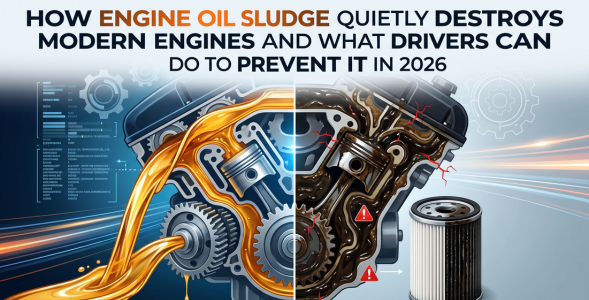
How Engine Oil Sludge Quietly Destroys Modern Engines and What Drivers Can Do to Prevent It in 2026
Engine oil sludge is one of the leading hidden causes of premature engine failure in modern vehicles. Formed by degraded oil, contaminants, and excessive heat, sludge restricts lubrication and accelerates internal wear. Regular oil changes, using the correct engine oil, and following manufacturer maintenance schedules can help prevent sludge buildup. If severe damage has already occurred, professionally inspected OEM used auto parts and quality used engines offer reliable and cost-effective replacement solutions.
Table of Contents
- What is engine oil sludge?
- Why sludge is becoming more common
- Warning signs of sludge buildup
- How sludge damages modern engines
- How to prevent oil sludge
- When engine replacement becomes necessary
- FAQs
What Is Engine Oil Sludge?
Engine oil is responsible for lubricating moving parts, reducing friction, carrying away heat, and trapping contaminants. Over time, however, oil naturally breaks down due to heat, combustion byproducts, moisture, and dirt.
When old or contaminated oil is left in the engine for too long, it thickens into a sticky, tar-like substance known as oil sludge.
Unlike clean motor oil, sludge cannot circulate properly through the engine. Instead, it clogs oil passages, restricts lubrication, and causes excessive wear on vital components.
Why Oil Sludge Is Becoming More Common in 2026
Modern engines are designed for higher efficiency, but they also operate under more demanding conditions than older vehicles.
Several factors contribute to increased sludge formation:
- Turbocharged engines generating higher temperatures
- Frequent stop-and-go driving
- Longer manufacturer-recommended oil change intervals
- Short trips that prevent oil from reaching full operating temperature
- Poor-quality engine oil
- Missed maintenance schedules
As vehicles become more technologically advanced, proper lubrication becomes even more important.
How Oil Sludge Forms
Sludge develops gradually rather than overnight.
The process usually begins when engine oil starts losing its protective properties.
Over time, contaminants such as:
- Carbon deposits
- Dirt
- Dust
- Moisture
- Fuel residue
- Oxidized oil
combine to create thick deposits inside the engine.
Without regular maintenance, these deposits continue accumulating until they interfere with normal engine operation.
Warning Signs of Engine Oil Sludge
Recognizing the symptoms early can prevent severe engine damage.
Common warning signs include:
- Low oil pressure warning light
- Engine overheating
- Ticking or knocking noises
- Reduced fuel economy
- Rough engine performance
- Sluggish acceleration
- Visible sludge under the oil filler cap
Although some symptoms may appear minor at first, they often become progressively worse if ignored.
How Oil Sludge Damages Modern Engines
Oil sludge affects nearly every lubricated component inside the engine.
Restricted Oil Flow
Sludge blocks narrow oil passages that deliver lubrication to critical engine parts.
Without sufficient oil flow, internal components experience increased friction and wear.
Accelerated Bearing Wear
Engine bearings depend on a continuous film of clean oil.
Sludge reduces lubrication, causing bearings to wear prematurely and increasing the risk of complete engine failure.
Turbocharger Damage
Many modern vehicles use turbochargers that rotate at extremely high speeds.
These components require constant lubrication.
Restricted oil flow caused by sludge can quickly damage turbocharger bearings, resulting in expensive repairs.
Timing Component Wear
Timing chains, guides, and tensioners also rely on proper lubrication.
Poor oil circulation increases wear and may eventually lead to timing system failure.
Increased Engine Temperature
Clean oil helps transfer heat away from moving engine parts.
Sludge reduces cooling efficiency, increasing engine temperatures and placing additional stress on internal components.
How Drivers Can Prevent Oil Sludge
Preventive maintenance remains the best defense against sludge formation.
Change Engine Oil Regularly
Routine oil changes remove contaminants before they accumulate.
Always follow the maintenance schedule recommended for your driving conditions rather than waiting until performance declines.
Use the Correct Engine Oil
Every engine is designed to operate with a specific oil viscosity and performance specification.
Using the correct oil helps:
- Improve lubrication
- Reduce wear
- Resist oxidation
- Maintain proper engine protection
Replace Oil Filters
A quality oil filter removes harmful contaminants from circulating oil.
Replacing the filter during every oil change helps maintain clean lubrication throughout the engine.
Avoid Frequent Short Trips
Short journeys often prevent the engine from reaching normal operating temperature.
This allows moisture and fuel contamination to accumulate inside the oil, accelerating sludge formation.
Whenever possible, include longer drives that allow the engine to warm completely.
Monitor Engine Temperature
An overheating engine accelerates oil degradation.
Regularly inspect:
- Coolant levels
- Radiator condition
- Thermostat operation
- Cooling fans
Keeping the cooling system in good condition helps preserve oil quality.
When Engine Replacement Becomes Necessary
Unfortunately, severe sludge buildup may cause irreversible internal damage.
Common failures include:
- Worn crankshaft bearings
- Damaged camshafts
- Seized pistons
- Failed oil pumps
- Scored cylinder walls
When repair costs become excessive, replacing the engine often provides the most practical solution.
Why OEM Used Auto Parts Offer Excellent Value
If replacement becomes necessary, many drivers choose OEM used auto parts because they provide factory-engineered compatibility and dependable performance.
Benefits include:
- Original manufacturer specifications
- Better fitment
- Lower repair costs
- Proven durability
- Reliable long-term operation
OEM components help maintain vehicle performance while reducing overall repair expenses.
Quality Used Engines Can Restore Vehicle Reliability
Many professionally inspected quality used engines come from low-mileage donor vehicles and undergo careful testing before being sold.
Choosing a quality replacement engine offers:
- Significant cost savings
- OEM engineering
- Faster installation
- Reliable performance
- Extended vehicle life
Purchasing from a reputable supplier ensures greater confidence in the replacement engine.
Final Thoughts
Engine oil sludge is one of the most damaging yet preventable threats to modern engines. Although it develops gradually, the long-term effects can include reduced lubrication, overheating, premature component wear, and complete engine failure.
Routine oil changes, proper maintenance, high-quality engine oil, and regular inspections remain the best ways to protect your engine in 2026. When severe sludge damage has already occurred, professionally inspected OEM used auto parts and quality used engines provide dependable and affordable solutions that help restore performance while extending the life of your vehicle.
FAQs
Q: What causes engine oil sludge?
Engine oil sludge develops when old or contaminated oil combines with dirt, carbon deposits, moisture, and heat over extended periods without proper maintenance.
Q: Can oil sludge permanently damage an engine?
Yes. Severe sludge buildup can block oil passages, reduce lubrication, and damage bearings, pistons, turbochargers, and other critical engine components.
Q: How can I prevent oil sludge?
Regular oil changes, using the correct engine oil, replacing oil filters, avoiding excessive short trips, and maintaining the cooling system all help prevent sludge formation.
Q: Are OEM used auto parts reliable?
Professionally inspected OEM used auto parts provide factory compatibility, dependable performance, and cost-effective repair solutions.
Q: Why choose quality used engines?
Quality used engines offer OEM reliability, verified performance, lower replacement costs, and an excellent alternative to purchasing a brand-new engine.