



Recent Blogs
- How Oil Filter Bypass Valve Inspection Helps Assess Replacement Engine Protection in 2026
- How Engine Oil Analysis Reports Help Buyers Evaluate Internal Wear Before Purchasing a Used Replacement Engine in 2026
- How Engine Piston Ring Seal Inspection Helps Buyers Evaluate Oil Control and Compression in Used Engines in 2026
- How Engine Valve Train Inspection Helps Buyers Evaluate Replacement Engine Condition Before Installation in 2026
- How Engine Serial Number Verification Helps Buyers Confirm Replacement Engine Identity and Compatibility in 2026
- How Engine Cylinder Bore Inspection Helps Buyers Evaluate Used Engines Before Installation in 2026
- How Engine Mount Compatibility Affects Vibration Control and Replacement Engine Performance in 2026
- How Engine Block Inspection Technology Helps Buyers Identify Reliable Replacement Engines Before Purchase in 2026
- How Replacement Engine Bearing Inspection Helps Prevent Premature Wear and Improve Used Engine Reliability in 2026
- How Engine Mount Condition Influences Replacement Engine Vibration, Alignment, and Long-Term Driving Comfort in 2026
Used Engines for Sale
- ACURA Engine
- AUDI Engine
- BMW Engine
- BUICK Engine
- CADILLAC Engine
- CHEVROLET Engine
- CHRYSLER Engine
- DODGE Engine
- FIAT Engine
- FORD Engine
- GMC Engine
- HONDA Engine
- HUMMER Engine
- HYUNDAI Engine
- INFINITI Engine
- ISUZU Engine
- JAGUAR Engine
- JEEP Engine
- KIA Engine
- LANDROVER Engine
- LEXUS Engine
- LINCOLN Engine
- MAZDA Engine
- MERCEDES Engine
- MERCURY Engine
- MINI Engine
- MITSUBISHI Engine
- NISSAN Engine
- OLDSMOBILE Engine
- PONTIAC Engine
- PORSCHE Engine
- SAAB Engine
- SATURN Engine
- SCION Engine
- SUBARU Engine
- SUZUKI Engine
- TESLA Engine
- TOYOTA Engine
- VOLKSWAGEN Engine
- VOLVO Engine
Used Engines for Sale
View More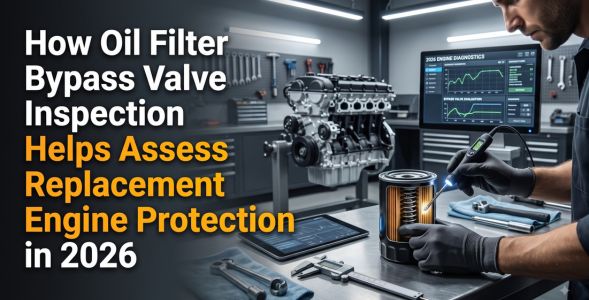
How Oil Filter Bypass Valve Inspection Helps Assess Replacement Engine Protection in 2026
Engine lubrication plays a critical role in protecting internal components from friction, excessive heat, and premature wear. When evaluating a replacement engine, buyers should look beyond its exterior condition and consider whether essential lubrication components are functioning correctly. One often-overlooked part is the engine oil filter bypass valve, which helps maintain oil circulation when the filter becomes restricted. Understanding this component can help buyers make more informed decisions when searching for quality used engines or comparing used engines with warranty for their vehicles.
What Is an Engine Oil Filter Bypass Valve?
An engine oil filter bypass valve is a pressure-operated mechanism designed to allow oil to continue circulating when the resistance across the oil filter becomes too high. This may happen when the filter is clogged, the oil is extremely cold and viscous, or operating conditions create a significant pressure difference across the filter.
Depending on the engine design, the bypass valve may be located inside the oil filter, within the filter housing, or elsewhere in the lubrication system. Its purpose is to help prevent a severe restriction in oil flow from interrupting lubrication to critical engine components.
When the bypass valve opens, some oil may pass around the filter rather than through the filter media. This supports circulation, but it also means the bypassed oil may not receive normal filtration. Therefore, the valve is a protective measure rather than a substitute for regular oil and filter maintenance.
Why Bypass Valve Condition Matters in a Replacement Engine
A replacement engine may have an unknown service history, especially if detailed maintenance records are unavailable. Problems involving the oil filter, incorrect filter selection, contamination, or neglected oil changes can affect the lubrication system.
A bypass valve that fails to operate according to its specifications may contribute to lubrication concerns. If it cannot open when required, oil flow could become restricted under certain conditions. If it remains open unnecessarily, unfiltered oil may circulate through the engine.
Neither condition should be diagnosed from appearance alone. Buyers should consider inspection findings, maintenance documentation, oil pressure information, and professional evaluation when assessing an engine’s condition. For those comparing quality used engines, checking the lubrication system can provide useful information beyond mileage or exterior appearance.
How to Evaluate the Oil Filter Bypass Valve
The appropriate inspection method depends on the engine’s design and the location of its bypass valve. Some valves can be inspected as part of the filter assembly, while others require access to the filter housing or internal engine components.
1. Confirm the Correct Filter Specification
Start by verifying that the engine uses the correct oil filter or filter element. An incorrect filter can affect oil flow, sealing, and bypass operation. Buyers should compare the part number with the vehicle or engine manufacturer’s specifications rather than assuming that a physically similar filter is suitable.
2. Inspect the Filter and Housing
A qualified technician can check for damaged seals, contamination, incorrect installation, or visible defects in accessible components. If the valve is integrated into the filter housing, the technician should follow the manufacturer’s inspection procedure.
3. Evaluate Valve Movement and Condition
Where the design permits inspection, the valve may be checked for damage, sticking, or other signs of deterioration. Some valves require specialized equipment or replacement rather than direct testing. Do not force the valve or attempt an improvised pressure test, as this can damage the component or produce misleading results.
4. Review Oil Pressure Evidence
Oil pressure readings can help identify lubrication concerns, but they must be interpreted using the correct engine specifications, oil temperature, and operating conditions. Low or unstable pressure does not automatically indicate a bypass valve problem; other causes may include bearing wear, pump issues, oil viscosity, or a restricted pickup.
Warning Signs Buyers Should Investigate
When reviewing a replacement engine, buyers should pay attention to evidence that may indicate lubrication-system problems, including:
- An oil pressure warning recorded during previous operation.
- Metallic particles or unusual debris found during an appropriate oil or filter inspection.
- Incomplete oil change or maintenance records.
- Signs of leakage around the filter housing or associated seals.
- Unusual engine noise that may require further diagnostic investigation.
These signs do not independently confirm a faulty bypass valve. Instead, they indicate that the engine may need additional inspection before purchase or installation.
How Warranty Coverage Supports a More Informed Purchase
When comparing used engines with warranty, buyers should review the written warranty terms carefully. Coverage differs between suppliers, and a warranty does not automatically include every internal component, labor cost, diagnostic fee, or installation expense.
Before purchasing, confirm whether the warranty covers internal lubrication components, what evidence is required for a claim, and whether installation must be completed by an approved workshop. Also check any requirements concerning oil type, filter selection, initial startup, and maintenance records.
A supplier’s inspection documentation, engine identification details, and stated warranty conditions can help buyers understand what protection is offered. Buyers should obtain these details in writing rather than relying solely on verbal assurances.
Questions to Ask Before Buying a Replacement Engine
Before finalizing a purchase, ask the supplier whether the engine’s lubrication system has been inspected, whether relevant maintenance records are available, and whether any known oil pressure issues have been reported.
It is also useful to confirm engine compatibility using the engine code, vehicle identification information, and manufacturer specifications. A suitable engine should match the vehicle’s mechanical and electronic requirements, not simply its advertised model or displacement.
If there are concerns about the bypass valve, request a qualified inspection before installation. Resolving lubrication questions early can help reduce avoidable delays and potential repair costs.
Final Thoughts
Engine oil filter bypass valve inspection is one part of evaluating a replacement engine’s lubrication system. Correct filter selection, suitable valve operation, reliable oil pressure, and documented maintenance all contribute to a more complete assessment.
Buyers looking for quality used engines should consider the engine’s overall condition rather than relying on mileage alone. Similarly, when comparing used engines with warranty, it is important to understand both the inspection evidence and the written coverage terms. A careful evaluation can support a more confident purchase and help protect the engine after installation.
Frequently Asked Questions
What does an engine oil filter bypass valve do?
It allows oil to continue circulating when the oil filter creates excessive resistance, helping reduce the risk of interrupted lubrication. Oil passing through the bypass may not receive normal filtration.
Can a faulty bypass valve damage an engine?
A valve that does not operate correctly may contribute to lubrication or filtration problems. The actual risk depends on the design, operating conditions, and other components in the lubrication system.
Can buyers inspect a bypass valve without dismantling the engine?
Sometimes. Accessibility varies by engine design. A valve integrated into the filter or housing may be easier to inspect, while other designs require specialized procedures.
Do used engines with warranty always cover lubrication-system components?
No. Coverage varies by supplier and contract. Buyers should review the written warranty for component exclusions, installation requirements, and claim conditions.
What should buyers check before purchasing a used engine?
Verify engine compatibility, available maintenance and inspection records, lubrication-system condition, warranty terms, and the supplier’s requirements for installation and initial operation.