



Recent Blogs
- How Cylinder Head Coolant Passage Condition Helps Buyers Assess Used Engine Overheating Risks in 2026
- How Oil Filter Bypass Valve Inspection Helps Assess Replacement Engine Protection in 2026
- How Engine Oil Analysis Reports Help Buyers Evaluate Internal Wear Before Purchasing a Used Replacement Engine in 2026
- How Engine Piston Ring Seal Inspection Helps Buyers Evaluate Oil Control and Compression in Used Engines in 2026
- How Engine Valve Train Inspection Helps Buyers Evaluate Replacement Engine Condition Before Installation in 2026
- How Engine Serial Number Verification Helps Buyers Confirm Replacement Engine Identity and Compatibility in 2026
- How Engine Cylinder Bore Inspection Helps Buyers Evaluate Used Engines Before Installation in 2026
- How Engine Mount Compatibility Affects Vibration Control and Replacement Engine Performance in 2026
- How Engine Block Inspection Technology Helps Buyers Identify Reliable Replacement Engines Before Purchase in 2026
- How Replacement Engine Bearing Inspection Helps Prevent Premature Wear and Improve Used Engine Reliability in 2026
Used Engines for Sale
- ACURA Engine
- AUDI Engine
- BMW Engine
- BUICK Engine
- CADILLAC Engine
- CHEVROLET Engine
- CHRYSLER Engine
- DODGE Engine
- FIAT Engine
- FORD Engine
- GMC Engine
- HONDA Engine
- HUMMER Engine
- HYUNDAI Engine
- INFINITI Engine
- ISUZU Engine
- JAGUAR Engine
- JEEP Engine
- KIA Engine
- LANDROVER Engine
- LEXUS Engine
- LINCOLN Engine
- MAZDA Engine
- MERCEDES Engine
- MERCURY Engine
- MINI Engine
- MITSUBISHI Engine
- NISSAN Engine
- OLDSMOBILE Engine
- PONTIAC Engine
- PORSCHE Engine
- SAAB Engine
- SATURN Engine
- SCION Engine
- SUBARU Engine
- SUZUKI Engine
- TESLA Engine
- TOYOTA Engine
- VOLKSWAGEN Engine
- VOLVO Engine
Used Engines for Sale
View More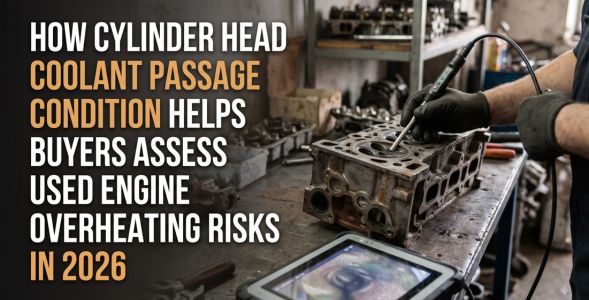
How Cylinder Head Coolant Passage Condition Helps Buyers Assess Used Engine Overheating Risks in 2026
A replacement engine must have a dependable cooling system to maintain safe operating temperatures and protect important internal components. One area buyers should not overlook is the condition of the coolant passages inside the cylinder head. Corrosion, deposits, and internal blockages can restrict coolant circulation and contribute to overheating. When comparing used engines for sale, inspecting cooling system condition can help buyers make better purchasing decisions. Choosing suppliers offering used engines with warranty coverage can also provide additional confidence when evaluating replacement engine options.
Understanding Cylinder Head Coolant Passages
Cylinder head coolant passages are internal channels that allow coolant to circulate around combustion chambers, exhaust ports, and other heat-generating areas. Their primary purpose is to carry excess heat away from the cylinder head and transfer it to the rest of the cooling system.
During normal engine operation, combustion generates substantial heat. Coolant flowing through the cylinder head helps maintain an appropriate operating temperature and prevents localized overheating.
The design and size of these passages vary according to engine manufacturer, displacement, and configuration. Their condition is equally important. Corrosion, scale deposits, contamination, or damaged internal surfaces can affect coolant movement and reduce cooling efficiency.
For buyers evaluating a replacement engine, understanding these components provides another way to assess its previous operating condition.
How Restricted Coolant Passages Contribute to Overheating
Coolant circulation must remain consistent to remove heat effectively. If internal passages become restricted, certain areas of the cylinder head may receive insufficient coolant flow. Several conditions can contribute to this problem:
- Mineral deposits: Poor-quality coolant or the use of unsuitable water can contribute to deposits that accumulate inside cooling passages.
- Internal corrosion: Incompatible coolant mixtures or neglected maintenance can cause corrosion that affects internal surfaces.
- Contamination: Oil, rust particles, and other debris may enter the cooling system and restrict circulation.
- Previous overheating: Excessive temperatures can damage cylinder head surfaces and other engine components, potentially creating further cooling problems.
- Incorrect coolant maintenance: Extended coolant service intervals or incompatible coolant formulations can reduce corrosion protection.
Restricted passages do not always produce immediate overheating. However, they can contribute to uneven temperature distribution and reduce the cooling system’s ability to manage heat under demanding operating conditions.
What Buyers Should Inspect Before Purchasing a Used Engine
When comparing used engines for sale, buyers should request information about the engine’s maintenance history, previous overheating incidents, and cooling system condition. A careful inspection may include the following:
- Review maintenance records: Check whether the previous owner followed recommended coolant replacement intervals. Records of cooling system repairs, radiator replacement, or overheating complaints can provide useful information about the engine’s history.
- Examine accessible coolant passages: Where inspection access is available, look for visible rust, deposits, sludge, or unusual discoloration. These signs may indicate neglected coolant maintenance or contamination.
- Inspect cylinder head condition: A qualified technician should examine accessible cylinder head surfaces and check for evidence of cracks, corrosion, or previous overheating damage. Specialized pressure testing may be appropriate depending on the engine and inspection requirements.
- Check for oil and coolant contamination: Milky engine oil, oily coolant, or unexplained fluid loss can indicate a possible internal sealing problem. These symptoms require further diagnosis because they can have multiple causes.
- Request professional testing: Depending on the engine’s condition and accessibility, inspection may include cooling system pressure testing, cylinder head pressure testing, and checks for combustion gases in the coolant system.
A visual inspection alone cannot confirm that every internal coolant passage is clear or that the cylinder head is free from hidden defects.
Why Cylinder Head Condition Matters for Replacement Engine Reliability
The cylinder head works closely with the engine block, head gasket, cooling system, and lubrication system. Damage in one area can affect the performance of other components.
For example, severe overheating may cause cylinder head warping, head gasket failure, or cracking. These problems can lead to coolant leaks, compression loss, oil contamination, and unstable engine operation.
Buyers should therefore evaluate the cylinder head as part of the complete engine assembly rather than treating it as an isolated component. Engine compatibility is also important. A replacement engine should match the vehicle’s required specifications, including engine code, displacement, mounting configuration, and relevant electronic or mechanical connections.
How Warranty Coverage Supports Used Engine Purchases
Purchasing used engines with warranty coverage can provide additional protection against certain covered defects, depending on the supplier’s written terms. However, buyers should never assume that every overheating-related problem is automatically covered. Warranty conditions may differ regarding pre-existing damage, installation requirements, overheating caused by external cooling system failures, labor costs, and maintenance obligations.
Before purchasing, review:
- Warranty duration and coverage limits.
- Whether internal engine components are included.
- Required installation procedures and documentation.
- Cooling system preparation requirements.
- Exclusions related to overheating or improper maintenance.
- Claim procedures and inspection requirements.
A clear written warranty helps buyers understand their responsibilities and the supplier’s obligations before completing the purchase.
Questions to Ask Before Ordering a Replacement Engine
Before selecting an engine, buyers should ask the supplier whether the cylinder head has been inspected, whether previous overheating problems were reported, and whether any cooling system tests have been performed.
It is also useful to request available photographs, inspection reports, engine identification details, and service history. If the engine has been stored for an extended period, ask about storage conditions and recommended checks before installation.
A professional mechanic should verify the engine’s compatibility and inspect the vehicle’s existing radiator, thermostat, water pump, hoses, and cooling fan. Installing a replacement engine without correcting an existing cooling system fault may expose the new unit to the same overheating problem.
Final Thoughts
Cylinder head coolant passage condition is an important factor when evaluating a used replacement engine. Internal corrosion, deposits, contamination, and previous overheating damage can affect coolant circulation and long-term engine reliability.
Buyers comparing used engines for sale should request relevant inspection information and consider professional testing before making a decision. Selecting used engines with warranty coverage can provide additional purchasing confidence when the written terms are clearly understood. A combination of careful engine inspection, compatibility verification, and proper cooling system preparation helps reduce avoidable replacement engine risks.
Frequently Asked Questions
Why are cylinder head coolant passages important?
They allow coolant to circulate around heat-generating areas of the cylinder head, helping control operating temperatures and prevent localized overheating.
Can blocked coolant passages damage a used engine?
Yes. Restricted coolant flow can contribute to overheating, uneven temperature distribution, and potential damage to the cylinder head and head gasket.
How can buyers check coolant passage condition?
Buyers can request maintenance records, accessible visual inspections, professional cooling system checks, and appropriate cylinder head testing.
Do used engines with warranty cover overheating problems?
Coverage depends on the supplier’s written warranty. Buyers should carefully review exclusions, installation requirements, and conditions related to cooling system failures.