



Recent Blogs
- How Cylinder Head Bolt Hole Condition Affects Clamping Accuracy During Engine Installation
- How Fuel Pump Compatibility Affects Fuel Delivery and Replacement Engine Performance
- How Cylinder Head Coolant Passage Condition Helps Buyers Assess Used Engine Overheating Risks in 2026
- How Oil Filter Bypass Valve Inspection Helps Assess Replacement Engine Protection in 2026
- How Engine Oil Analysis Reports Help Buyers Evaluate Internal Wear Before Purchasing a Used Replacement Engine in 2026
- How Engine Piston Ring Seal Inspection Helps Buyers Evaluate Oil Control and Compression in Used Engines in 2026
- How Engine Valve Train Inspection Helps Buyers Evaluate Replacement Engine Condition Before Installation in 2026
- How Engine Serial Number Verification Helps Buyers Confirm Replacement Engine Identity and Compatibility in 2026
- How Engine Cylinder Bore Inspection Helps Buyers Evaluate Used Engines Before Installation in 2026
- How Engine Mount Compatibility Affects Vibration Control and Replacement Engine Performance in 2026

Used Engines for Sale
- ACURA Engine
- AUDI Engine
- BMW Engine
- BUICK Engine
- CADILLAC Engine
- CHEVROLET Engine
- CHRYSLER Engine
- DODGE Engine
- FIAT Engine
- FORD Engine
- GMC Engine
- HONDA Engine
- HUMMER Engine
- HYUNDAI Engine
- INFINITI Engine
- ISUZU Engine
- JAGUAR Engine
- JEEP Engine
- KIA Engine
- LANDROVER Engine
- LEXUS Engine
- LINCOLN Engine
- MAZDA Engine
- MERCEDES Engine
- MERCURY Engine
- MINI Engine
- MITSUBISHI Engine
- NISSAN Engine
- OLDSMOBILE Engine
- PONTIAC Engine
- PORSCHE Engine
- SAAB Engine
- SATURN Engine
- SCION Engine
- SUBARU Engine
- SUZUKI Engine
- TESLA Engine
- TOYOTA Engine
- VOLKSWAGEN Engine
- VOLVO Engine
Used Engines for Sale
View More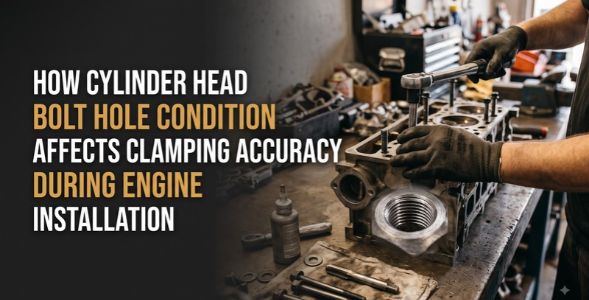
How Cylinder Head Bolt Hole Condition Affects Clamping Accuracy During Engine Installation
A successful engine installation depends on more than selecting a compatible replacement unit and connecting its major components. Every fastener must create the correct clamping force to keep critical engine parts securely assembled. Cylinder head bolt holes play an important role in this process because their thread condition directly affects bolt engagement, tightening accuracy, and joint stability.
When inspecting Used Engines for Sale, buyers and technicians should consider the condition of the cylinder head mounting threads, particularly when the engine has previously undergone repairs or overheating. Choosing used engines with warranty can provide additional purchase protection, but careful mechanical inspection remains essential before installation.
Why Cylinder Head Bolt Holes Matter
Cylinder head bolts secure the cylinder head to the engine block, helping maintain the seal between the combustion chambers, coolant passages, and oil passages. These fasteners must provide the clamping force specified by the engine manufacturer.
The threaded holes that receive the bolts must be clean, undamaged, and capable of supporting the required tightening procedure. Damaged threads can prevent accurate torque application and may reduce the reliability of the cylinder head joint.
Common bolt hole problems include:
- Stripped or partially damaged threads
- Corrosion inside threaded openings
- Dirt, oil, or coolant contamination
- Previous incorrect thread repairs
- Damaged threads caused by cross-threading
- Debris remaining at the bottom of blind holes
Even minor defects can interfere with bolt installation and should be evaluated before the cylinder head is assembled.
How Thread Condition Influences Clamping Accuracy
Cylinder head bolts are designed to produce a specified clamping load. Depending on the engine design, the tightening procedure may involve torque values, torque-angle stages, or both.
If the threaded hole is damaged, the bolt may not engage correctly. It can rotate without developing the expected clamping force or may produce misleading torque readings.
For example, a bolt installed into partially stripped threads may appear to reach the specified torque even though the threads cannot reliably support the intended load. This can create several risks:
- Uneven cylinder head clamping
- Reduced gasket sealing reliability
- Coolant or oil leakage
- Combustion gas leakage
- Further thread damage during installation
Proper thread condition is therefore essential for achieving the manufacturer’s specified fastening requirements.
Common Causes of Cylinder Head Bolt Hole Damage
Several conditions can affect the threaded openings in an engine block or cylinder head.
1. Cross-Threading During Previous Repairs
Cross-threading occurs when a bolt enters a threaded opening at an incorrect angle. This can damage the original thread profile and make future tightening unreliable.
Technicians should inspect bolt holes carefully when evaluating engines with a history of cylinder head removal or repair.
2. Corrosion and Contamination
Moisture, coolant residue, and other contaminants can accumulate inside threaded openings. Corrosion may affect thread engagement, while debris can prevent bolts from reaching their intended seating depth.
3. Incorrect Previous Installation
Using the wrong bolt, applying an unsuitable tightening procedure, or reusing fasteners when replacement is required can contribute to assembly problems.
Some engines use torque-to-yield cylinder head bolts, which are designed to stretch during tightening and generally require replacement according to manufacturer instructions.
4. Bottoming in Blind Bolt Holes
Blind threaded holes do not pass completely through the engine block. If liquid, debris, or an incorrect-length bolt occupies the available space, the bolt may bottom out before producing the intended clamping force.
This is particularly important because trapped liquid in a blind hole can also create hydraulic pressure and potentially damage the surrounding material.
How Technicians Inspect Cylinder Head Bolt Holes
Before engine installation, technicians should examine the threaded openings using suitable inspection methods.
- Visual inspection: Check for corrosion, damaged thread profiles, debris, and signs of previous repair work.
- Thread engagement assessment: Verify that the correct bolts engage smoothly without unusual resistance. Never force a bolt into a questionable opening.
- Thread gauge inspection: Appropriate thread gauges can help assess thread condition and confirm compatibility where required.
- Cleaning and preparation: Follow the engine manufacturer’s instructions for cleaning threaded holes. Avoid removing material unnecessarily with aggressive tools.
- Repair evaluation: If threads are damaged, determine whether an approved thread repair procedure is available for that specific engine. Repairs must preserve the required alignment, engagement depth, and structural integrity.
These checks help identify problems before the cylinder head is installed.
What Buyers Should Check When Purchasing Used Engines
Buyers comparing Used Engines for Sale should review more than mileage, appearance, and price. The engine’s previous repair history and mounting thread condition can influence installation quality.
Important inspection points include:
- Cylinder head and engine block condition
- Evidence of previous overheating
- Signs of cylinder head removal or thread repair
- Oil and coolant contamination
- Compatibility with the vehicle’s original engine configuration
- Available inspection reports and warranty terms
When considering used engines with warranty, review what the warranty actually covers, including exclusions for installation errors, overheating, improper maintenance, and external components. A warranty can provide valuable protection, but it does not replace pre-installation inspection or correct assembly procedures.
Best Practices for Reliable Engine Installation
Maintaining cylinder head clamping accuracy requires following the correct installation procedure.
- Confirm engine compatibility before beginning installation.
- Clean and inspect all relevant threaded openings.
- Use the specified cylinder head bolts and replace them when required.
- Follow the manufacturer’s tightening sequence and torque-angle specifications.
- Use the correct tools and calibrated torque equipment.
- Check for leaks and abnormal operating conditions after installation.
Never substitute generic torque values for the specifications provided for the exact engine model.
Final Thoughts
Cylinder head bolt hole condition directly influences fastener engagement and the ability to achieve reliable clamping force during engine installation. Damaged threads, contamination, corrosion, and incorrect previous repairs can compromise gasket sealing and create costly mechanical problems.
Whether evaluating Used Engines for Sale or purchasing used engines with warranty, checking threaded mounting points is an important part of the inspection process. Combining careful assessment with manufacturer-approved installation procedures helps support a more dependable engine replacement.
Frequently Asked Questions
Why are cylinder head bolt holes important?
They provide the threaded engagement required for cylinder head bolts to generate the specified clamping force.
Can damaged threads cause a head gasket leak?
Yes. Damaged threads may prevent proper clamping, potentially contributing to head gasket sealing problems.
Can stripped cylinder head bolt holes be repaired?
Some can be repaired using manufacturer-approved thread repair methods. The repair must meet the engine’s requirements for strength, alignment, and thread engagement.
Should cylinder head bolts be reused during engine installation?
It depends on the engine design. Torque-to-yield bolts generally require replacement, while other fasteners must be evaluated according to manufacturer instructions.
What should I inspect before buying used engines with warranty?
Review engine compatibility, repair history, visible damage, cylinder head condition, available testing records, and the specific warranty coverage.