


Recent Blogs
- How Fuel Pump Compatibility Affects Fuel Delivery and Replacement Engine Performance
- How Cylinder Head Coolant Passage Condition Helps Buyers Assess Used Engine Overheating Risks in 2026
- How Oil Filter Bypass Valve Inspection Helps Assess Replacement Engine Protection in 2026
- How Engine Oil Analysis Reports Help Buyers Evaluate Internal Wear Before Purchasing a Used Replacement Engine in 2026
- How Engine Piston Ring Seal Inspection Helps Buyers Evaluate Oil Control and Compression in Used Engines in 2026
- How Engine Valve Train Inspection Helps Buyers Evaluate Replacement Engine Condition Before Installation in 2026
- How Engine Serial Number Verification Helps Buyers Confirm Replacement Engine Identity and Compatibility in 2026
- How Engine Cylinder Bore Inspection Helps Buyers Evaluate Used Engines Before Installation in 2026
- How Engine Mount Compatibility Affects Vibration Control and Replacement Engine Performance in 2026
- How Engine Block Inspection Technology Helps Buyers Identify Reliable Replacement Engines Before Purchase in 2026
Used Engines for Sale
- ACURA Engine
- AUDI Engine
- BMW Engine
- BUICK Engine
- CADILLAC Engine
- CHEVROLET Engine
- CHRYSLER Engine
- DODGE Engine
- FIAT Engine
- FORD Engine
- GMC Engine
- HONDA Engine
- HUMMER Engine
- HYUNDAI Engine
- INFINITI Engine
- ISUZU Engine
- JAGUAR Engine
- JEEP Engine
- KIA Engine
- LANDROVER Engine
- LEXUS Engine
- LINCOLN Engine
- MAZDA Engine
- MERCEDES Engine
- MERCURY Engine
- MINI Engine
- MITSUBISHI Engine
- NISSAN Engine
- OLDSMOBILE Engine
- PONTIAC Engine
- PORSCHE Engine
- SAAB Engine
- SATURN Engine
- SCION Engine
- SUBARU Engine
- SUZUKI Engine
- TESLA Engine
- TOYOTA Engine
- VOLKSWAGEN Engine
- VOLVO Engine
Used Engines for Sale
View More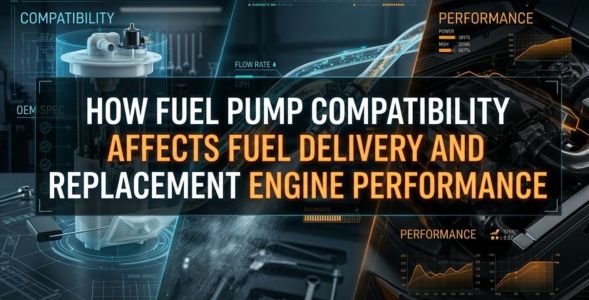
How Fuel Pump Compatibility Affects Fuel Delivery and Replacement Engine Performance
Replacing an engine is a significant investment, and ensuring that every supporting component works correctly is essential for reliable performance. One component that deserves particular attention is the fuel pump. It supplies the fuel required for combustion and helps maintain consistent engine operation under different driving conditions. When installing a replacement engine, using an incompatible fuel pump can create delivery problems, reduce efficiency, and affect overall performance.
For buyers exploring Used Engines for Sale, understanding fuel pump compatibility can help prevent installation complications and unnecessary repair expenses. Selecting the right pump ensures that the replacement engine receives the appropriate fuel pressure and volume for dependable operation.
Understanding the Role of a Fuel Pump in Engine Performance
A fuel pump moves fuel from the tank through the fuel lines and delivers it to the engine’s fuel injection system or carburetor. The engine depends on a consistent supply of fuel to maintain the correct air-fuel mixture during startup, acceleration, idling, and regular driving.
Different engines have different fuel delivery requirements. Factors such as engine displacement, fuel type, horsepower, and injection technology influence the pressure and flow rate needed for proper operation.
When choosing quality used engines, buyers should consider whether their existing fuel pump can support the replacement engine’s specifications. Even a mechanically sound engine may experience performance issues when paired with an unsuitable fuel delivery system.
Why Fuel Pump Compatibility Matters During Engine Replacement
Not every fuel pump is designed to work with every engine. Differences in operating pressure, fuel volume, electrical connections, and system configuration can affect compatibility.
For example, a gasoline engine with port fuel injection generally has different fuel pressure requirements from a carbureted engine or a gasoline direct-injection system. Diesel engines also use different fuel delivery arrangements.
Installing an incompatible pump may result in:
- Insufficient fuel pressure during acceleration.
- Inconsistent fuel delivery at higher engine loads.
- Difficult engine starting or unexpected stalling.
- Poor throttle response and reduced performance.
- Increased stress on fuel system components.
When comparing Used Engines for Sale, checking the fuel system requirements before purchasing can help ensure that the replacement engine integrates properly with the vehicle’s existing components.
Fuel Pressure and Flow Rate: Two Important Factors
Fuel pressure and flow rate are closely connected, but they serve different purposes.
- Fuel Pressure: Pressure determines how effectively fuel reaches the injectors or carburetor. If pressure falls below the manufacturer’s recommended specification, the engine may receive insufficient fuel. Excessive pressure can also create problems if the regulator and other components cannot manage it correctly.
- Fuel Flow Rate: Flow rate measures the amount of fuel a pump can deliver over a specific period. Engines with higher power output or increased fuel demand may require greater delivery capacity.
Both specifications should be checked together. A pump’s advertised maximum flow rate does not necessarily represent its actual delivery at the required operating pressure. Fuel flow can decrease as delivery pressure increases.
Buyers considering quality used engines should verify that their fuel pump can maintain the required pressure and volume under different operating conditions.
Signs of an Incompatible Fuel Pump
After installing a replacement engine, certain symptoms may indicate that the fuel delivery system needs attention.
- Hard Starting: If the pump cannot build sufficient pressure, the engine may take longer to start or require repeated ignition attempts.
- Engine Hesitation: Inadequate fuel delivery can cause hesitation during acceleration, particularly when the engine requires additional fuel.
- Unexpected Stalling: An inconsistent fuel supply may interrupt combustion and cause the engine to stall during operation.
- Poor Fuel Economy: Incorrect fuel pressure can interfere with the intended air-fuel mixture, potentially reducing fuel efficiency.
- Loss of Power: When fuel delivery cannot keep up with engine demand, the vehicle may struggle during climbing, towing, or acceleration.
These symptoms can also result from clogged filters, damaged wiring, faulty injectors, or other mechanical issues. Proper diagnosis is important before replacing any component.
What to Check Before Selecting a Replacement Fuel Pump
Before installing a pump with a replacement engine, compare its specifications with the vehicle manufacturer’s requirements. Consider these important factors:
- Engine Compatibility: Confirm the replacement engine’s exact model, year, and fuel system configuration.
- Operating Pressure: Check the recommended fuel pressure for the engine and injection system.
- Flow Capacity: Ensure the pump can deliver sufficient fuel at the required operating pressure.
- Electrical Requirements: Verify voltage, wiring connections, connector configuration, and control system compatibility.
- Fuel Type: Confirm that the pump materials are suitable for the intended gasoline or diesel application.
- Physical Fitment: Check mounting arrangements, fuel line connections, and tank compatibility.
When researching Used Engines for Sale, buyers should also compare the replacement engine’s specifications with the original vehicle configuration. This additional step helps identify potential compatibility concerns before installation.
How Proper Fuel Delivery Protects Replacement Engine Performance
A compatible fuel pump supports consistent combustion, smoother acceleration, and dependable engine operation. Maintaining the correct fuel pressure also helps prevent lean operating conditions that can increase engine temperatures and potentially cause internal damage.
However, installing a higher-capacity pump is not automatically the best solution. An oversized pump may create pressure regulation challenges, particularly in systems that are not designed to handle additional fuel flow.
For buyers investing in quality used engines, maintaining the correct relationship between the engine, pump, injectors, regulator, and fuel lines is essential. Every component should work according to the engine manufacturer’s specifications.
After installation, a qualified technician should inspect the fuel system, check for leaks, and verify fuel pressure under appropriate operating conditions.
Make a Better Decision When Buying a Replacement Engine
Choosing a replacement engine involves more than comparing prices and engine condition. Buyers should understand the supporting components required for proper installation, including fuel pumps, injectors, filters, and pressure regulators.
When exploring Used Engines for Sale, request accurate engine identification and compatibility information from the seller. Confirm whether the replacement engine requires changes to the existing fuel delivery system and whether additional components are necessary.
At UsedEnginePart.com, buyers can explore replacement engine options while considering important factors such as engine specifications, vehicle compatibility, and installation requirements.
Conclusion
Fuel pump compatibility plays an important role in replacement engine performance. The correct pump maintains suitable fuel pressure and flow, supports efficient combustion, and helps prevent avoidable operating problems. Before completing an engine replacement, always verify the fuel system specifications and ensure that every supporting component meets the engine’s requirements.
Choosing quality used engines and pairing them with compatible fuel delivery components can help create a dependable replacement solution. Careful research and professional installation are valuable steps toward achieving consistent performance and long-term reliability.